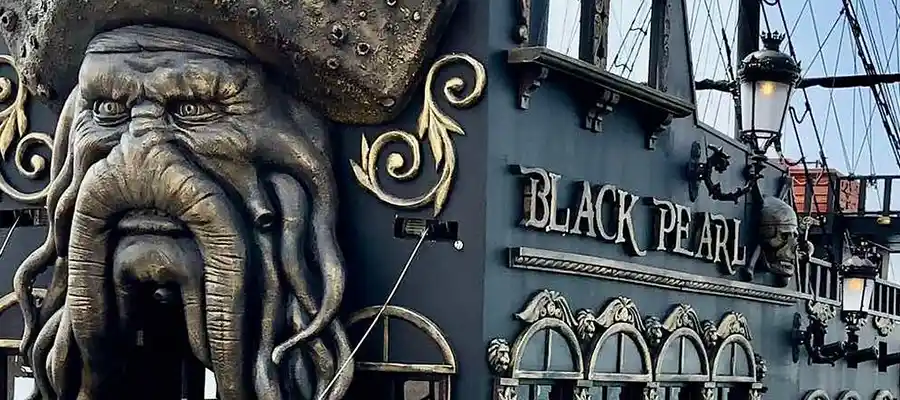
When most famous movie ships retire, they end up in storage yards, museums, or quietly rotting behind studio fences. The Black Pearl ship from Pirates of the Caribbean had a different, far better ending. It’s become the Black Pearl artificial reef!
In November 2025, the legendary Pirates of the Caribbean ship was deliberately sunk to become the Black Pearl artificial reef, transforming a Hollywood icon into a thriving underwater habitat. For divers, movie lovers, and ocean conservationists alike, the Pirates of the Caribbean boat sinking marked a rare moment where pop culture and marine protection came together in the best way possible.
Let’s dive into how the Black Pearl ship was sunk, why artificial reefs matter, and how this famous vessel now sits among other famous sunken movie ships beneath the waves.
What Is the Black Pearl Artificial Reef?
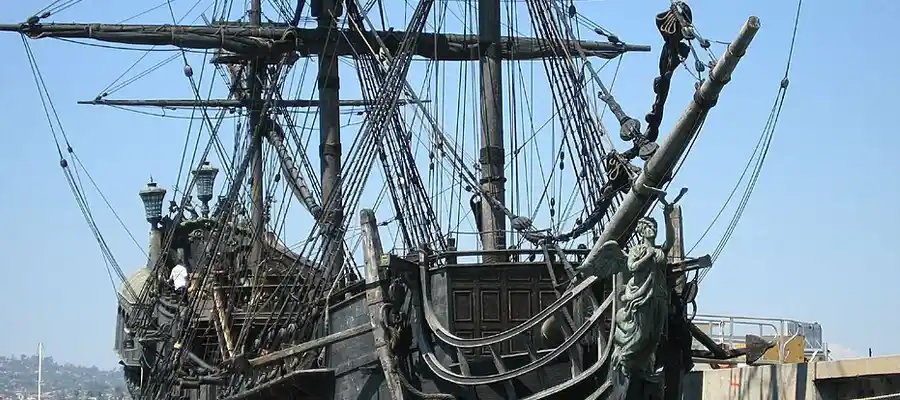
The Black Pearl artificial reef is exactly what it sounds like: a former movie prop ship repurposed into a man-made reef designed to support marine life.
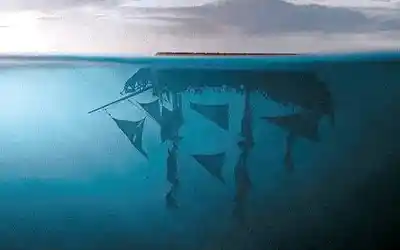
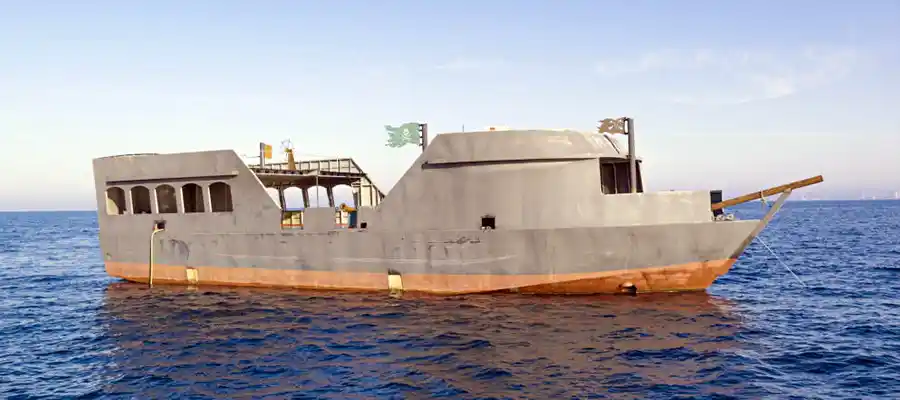
The Black Pearl prop ship, used during the Pirates of the Caribbean franchise, was intentionally sunk in mid-November 2025 as part of an artificial reef initiative off the coast of Panama City Beach, Florida. She now rests in 22 meters (75 feet) of water.
The sinking forms part of a long-running artificial reef program in the area, which has seen hundreds of structures placed on the seabed to support marine life and help reduce pressure on natural reefs.
At first glance, “Pirates of the Caribbean boat sinking” sounds like a tragic headline. In reality, it’s the exact opposite.
The Black Pearl ship was sunk after careful planning, environmental preparation, and coordination with reef authorities. Aging ships are often expensive to store and maintain, but when cleaned and modified properly, they can become incredible artificial reefs.
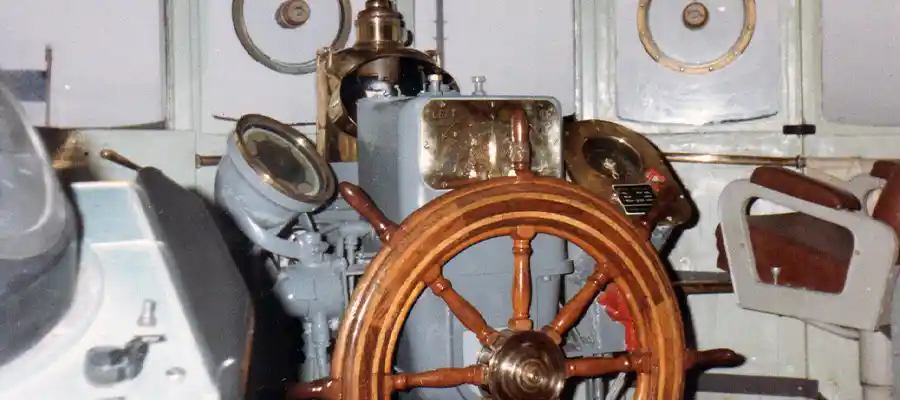
Decorative features, including several cannons, flags, a ship’s wheel, and a treasure chest, were added by students from Tom P. Haney Technical College to create an engaging site for divers while providing a complex structure for marine organisms to colonise.
Instead of rusting away on land, the Black Pearl was given a second life as a famous sunken movie ship, marine habitat, tourist attraction, diving landmark, and conservation tool. Think of it as a pirate ship with a redemption arc.
From Film Set to Artificial Reef: How Ships Are Prepared for the Ocean
Intentional ship reefing is not as simple as poking holes in the hull and walking away. Artificial reef creation needs to follow strict environmental guidelines to make sure that they help the ocean, not hurt it.
Before the Black Pearl ship was sunk, it underwent extensive preparation, such as the removal of fuels and oils, stripping away the plastics, insulation, wiring, and loose debris, and structural modifications to ensure diver safety, water flow, and fish access. Only once the vessel met environmental and safety standards was it approved for reefing as part of the artificial reef project.
The result? The Black Pearl artificial reef, once designed to float on the ocean, is now in a position to support marine environments.
Why Artificial Reefs Matter for Marine Conservation
Artificial reefs are more than just cool dive sites. They play a crucial role in global marine conservation goals. When done responsibly, artificial reefs:
- Reduce pressure on natural coral reefs
- Create new habitats for fish, coral, and invertebrates
- Increase biodiversity in previously barren areas
- Support local fisheries and eco-tourism
- Provide long-term research opportunities
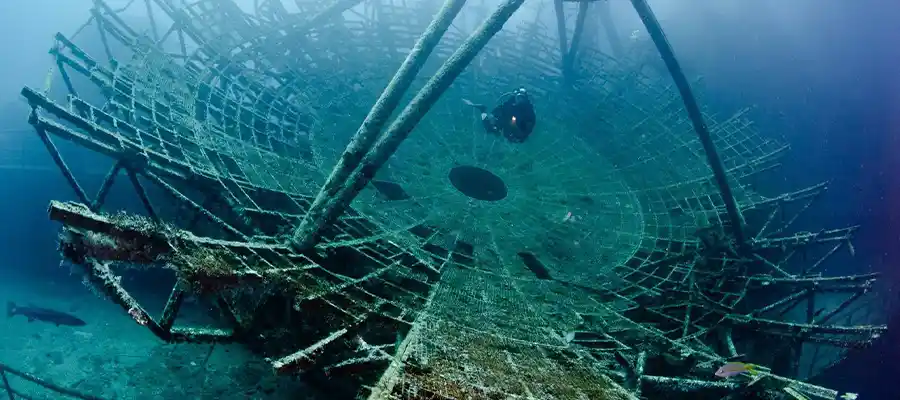
Within months, artificial reefs often become covered in algae, sponges, and coral growth. Fish move in quickly, and predators follow. Entire ecosystems develop where there was once empty seafloor.
This is why the Pirates of the Caribbean boat sinking is not just a publicity stunt. It’s a conservation project with a measurable environmental impact.
The Black Pearl artificial reef will eventually be less “movie prop” and more “living reef,” with the ocean eventually reclaiming the structure.
The Black Pearl Joins Other Famous Sunken Movie Ships
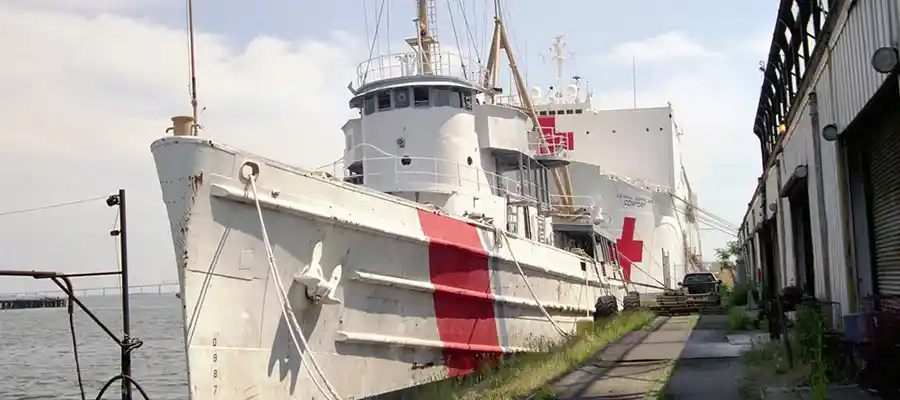
1. USCGC Tamaroa – The Perfect Storm
Original identity: Coast Guard cutter USCGC Tamaroa (WMEC-166), originally USS Zuni from WWII
Film connection: Its real-life rescue mission inspired the movie The Perfect Storm.
Artificial reef: Sunk on 10 May 2017
Location: Off Cape May, New Jersey
Reef system: Del-Jersey-Land Reef
The Tamaroa carries real maritime history, making it a powerful dive combining storytelling, tragedy, and conservation.
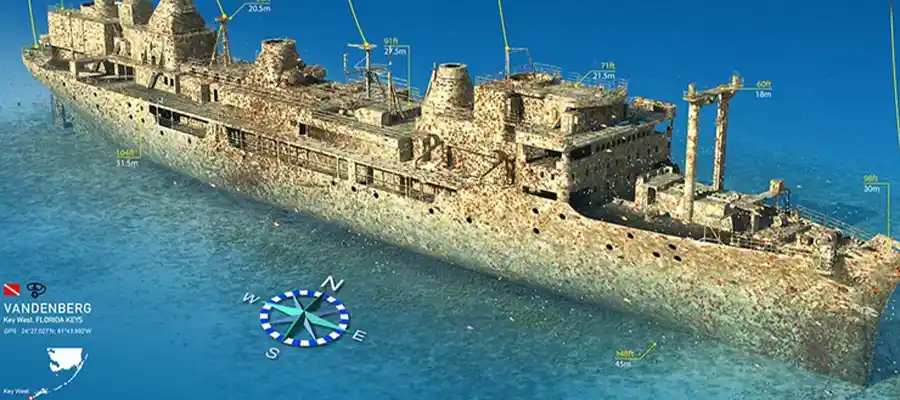
2. USNS General Hoyt S. Vandenberg – Virus (1999)
Film connection: Appeared as the Russian science ship Akademik Vladislav Volkov in the sci-fi horror film Virus
Artificial reef: Sunk on 27 May 2009
Location: Off Key West, Florida
Depth: Around 43 meters (140 feet)
Now one of the most famous wreck dives in the Florida Keys, the Vandenberg attracts divers from around the world.
What the Black Pearl Artificial Reef Can Teach Divers About Responsible Reef Creation
The Pirates of the Caribbean boat sinking highlights an important message for the dive community: not all artificial reefs are created equal.
Responsible reef projects require environmental planning, community involvement, long-term monitoring, and can provide education for divers and non-divers alike.
The Black Pearl artificial reef serves as a high-profile reminder that conservation can be engaging, exciting, and culturally relevant. It brings non-divers into conversations about reef protection and shows how creativity and ingenuity can support sustainability.
Plus, let’s be honest: learning about marine conservation is a little more fun when pirates are involved.
Learn More About Artificial Reefs and Marine Conservation Through Scuba Diving
Structures like the Black Pearl artificial reef don’t just exist for photos and headlines. They are living classrooms for divers. Through scuba diving, you can:
- Observe how marine ecosystems develop over time
- Learn the difference between natural and artificial reefs
- Understand responsible diving practices
- Support conservation-focused dive operations
Whether it’s a legendary pirate ship in Florida or smaller reef projects closer to home, artificial reefs show how humans can play a positive role underwater when we do things the right way.
The Black Pearl Was Sunk: A Historic Ending for a Legendary Ship
The Black Pearl may have ruled the seas on screen, but its real legacy is happening now, quietly, beneath the surface.
As fish move in, coral takes hold, and divers descend for the first time, the Black Pearl artificial reef proves that even Hollywood icons can serve a higher purpose. It’s not just a wreck. It’s a reef. A habitat. A reminder that good endings don’t always happen above water.
What began as the Pirates of the Caribbean boat sinking will evolve into one of the most creative artificial reef projects in recent memory.
And honestly? That feels like the most pirate thing of all.