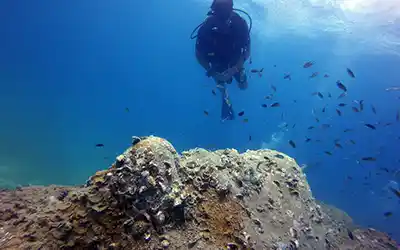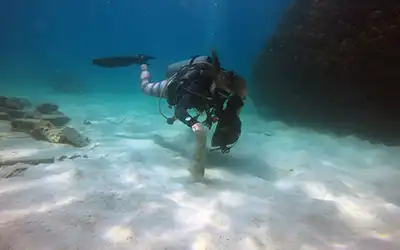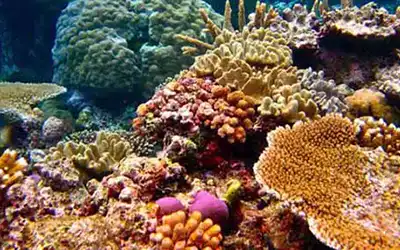
So you’ve done your first dive and seen first-hand the beauty of the underwater world. You’ve explored colourful coral reefs and tropical fish, but maybe without realising the true importance of coral to ocean life.
One of the most common questions new divers ask is: What is coral? Are corals plants, animals, or just colourful rocks? Understanding what coral really is helps explain why coral reef ecosystems are so important and why protecting them matters more than ever.
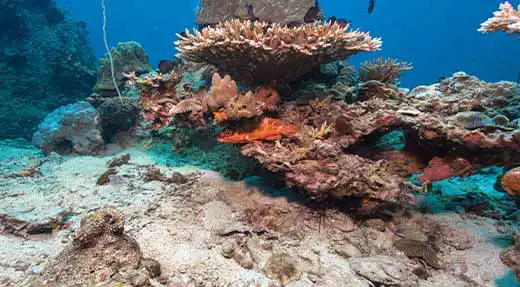
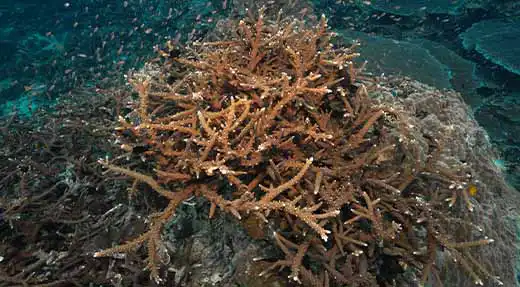
The Importance of Coral -
What Is Coral and Why It Matters
Coral are actually animals, belonging to the phylum Cnidaria, the same family as jellyfish and sea anemones. Understanding this is crucial to grasping the importance of coral within marine ecosystems.
Corals get their colour from microscopic algae called zooxanthellae, which live inside coral tissue in a symbiotic relationship. These algae use sunlight to convert coral waste products into sugars and proteins, providing up to 90% of the coral’s energy needs. This delicate relationship is the foundation of healthy coral reef ecosystems.
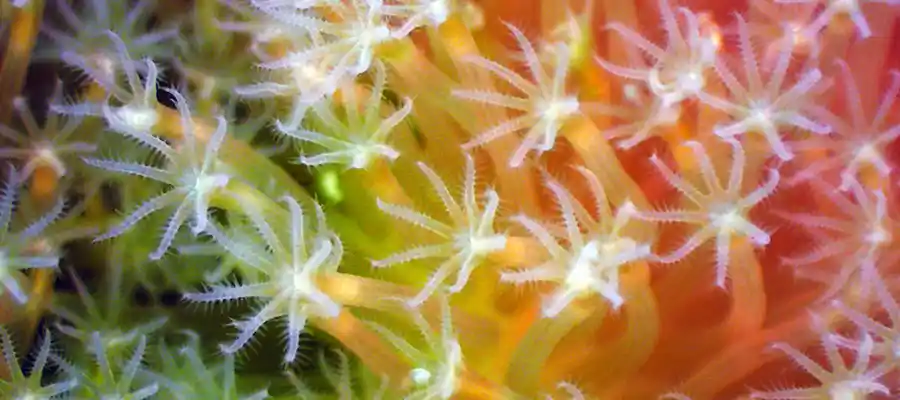
Coral Reef Ecosystems: The Rainforests of the Ocean
Coral reef ecosystems are often called the rainforests of the ocean, and for good reason. Although coral reefs cover just 0.1% of the ocean floor, they support at least 25% of all known marine species.
This incredible biodiversity highlights the importance of coral reefs not only for marine life but also for food security, coastal protection, and global ocean health.
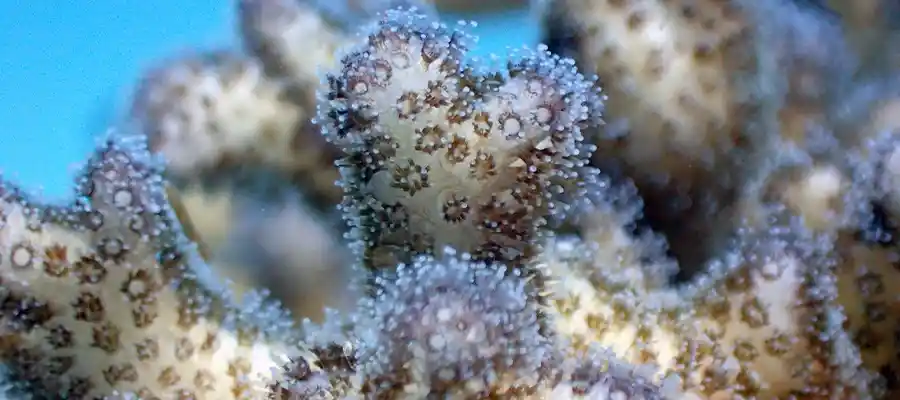
Why Coral Reefs Are Endangered
More than 25% of coral reefs are classified as vulnerable, endangered, or critically endangered, making coral reef conservation one of the most urgent environmental challenges of our time.
While coral reefs have survived natural climate cycles for thousands of years, the speed and scale of modern change are unprecedented. Human-driven stressors often occur simultaneously, leaving coral reef ecosystems with little time to recover between disturbances.
Bleaching events, physical damage, pollution, and habitat loss compound one another, weakening coral resilience over time. This is why coral reef conservation is no longer optional. It is essential. Without immediate action, many reefs could disappear within our lifetime, along with the ecosystems and communities that depend on them.
These combined pressures represent the most serious threats to coral reefs, accelerating reef decline faster than natural recovery processes can keep pace.
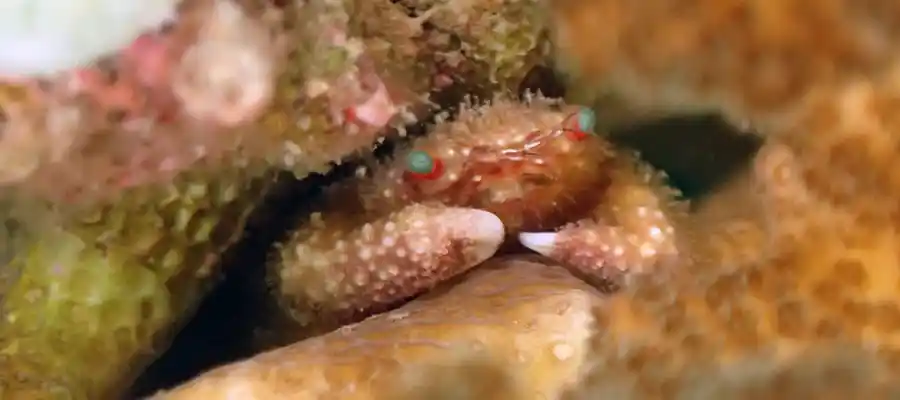
The Importance of Coral Reefs to Humans and Marine Life
The importance of coral reefs extends far beyond the ocean. Coral reef ecosystems protect coastlines from erosion and storm damage, support fisheries, and drive tourism in coastal communities worldwide.
Coral reefs act as natural breakwaters, reducing wave energy and protecting coastlines from erosion, storms, and rising sea levels. As climate change intensifies extreme weather events, the importance of coral reefs as natural coastal defences becomes even more critical for vulnerable island nations and coastal regions.
Coral reefs are also being studied for medical research, including treatments for cancer, HIV, and antibiotic-resistant infections, further highlighting why coral reef conservation matters to humanity as a whole.
The Main Threats to Coral Reefs Today
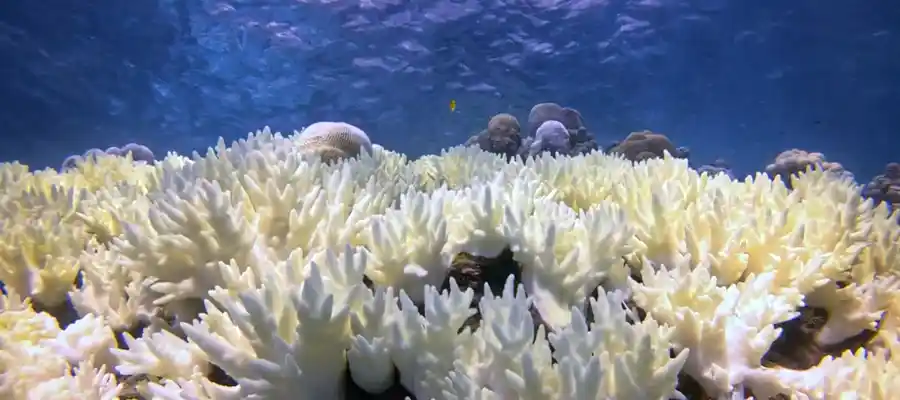
Coral reefs have existed for thousands of years and survived natural changes, but today they are struggling due to human impact. Climate change, pollution, overfishing, and careless tourism are among the most serious threats to coral reefs, impacting coral reef ecosystems at a pace they cannot adapt to.
Climate Change and Coral Reefs
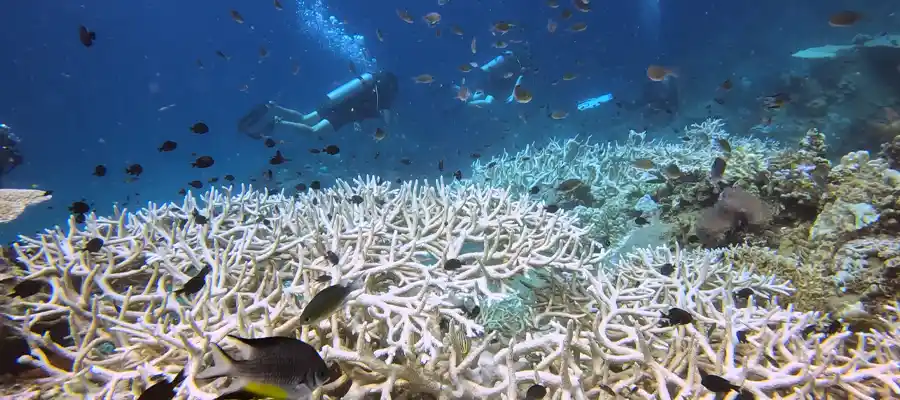
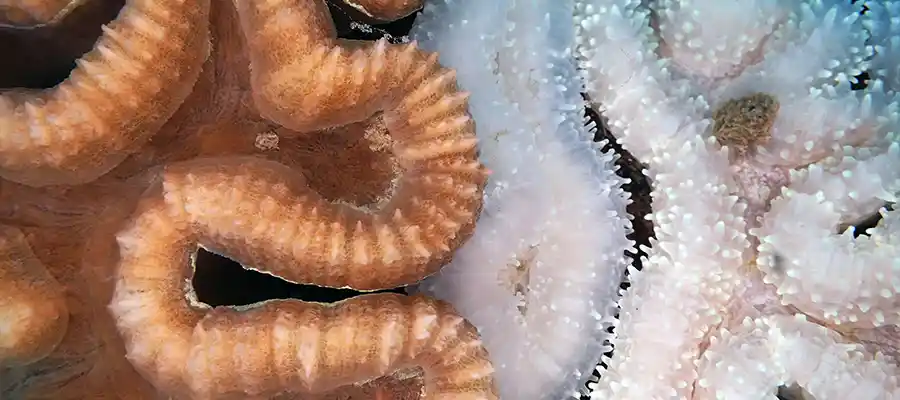
Climate change is the greatest long-term threat to coral reef ecosystems worldwide. Rising sea temperatures cause coral bleaching, where corals expel the zooxanthellae they depend on for survival. Without this symbiotic relationship, corals lose their primary energy source and often die.
This process highlights the importance of coral and how closely reef survival is tied to stable ocean temperatures. As climate change accelerates, bleaching events are becoming more frequent and more severe, leaving reefs with little time to recover. The connection between climate change and coral reefs is now one of the most studied and urgent issues in marine conservation.
Destructive Fishing and Coral Reef Damage
Destructive fishing practices such as cyanide fishing, dynamite fishing, and bottom trawling cause immediate and long-lasting damage to coral reef ecosystems. These methods shatter coral structures that may have taken decades to form.
Once damaged, reefs often struggle to recover, demonstrating the importance of coral reef conservation and responsible fishing practices in protecting these fragile habitats.
Overfishing is often overlooked, yet it remains one of the most damaging long-term threats to coral reefs worldwide.
Overfishing and Coral Reef Ecosystem Imbalance
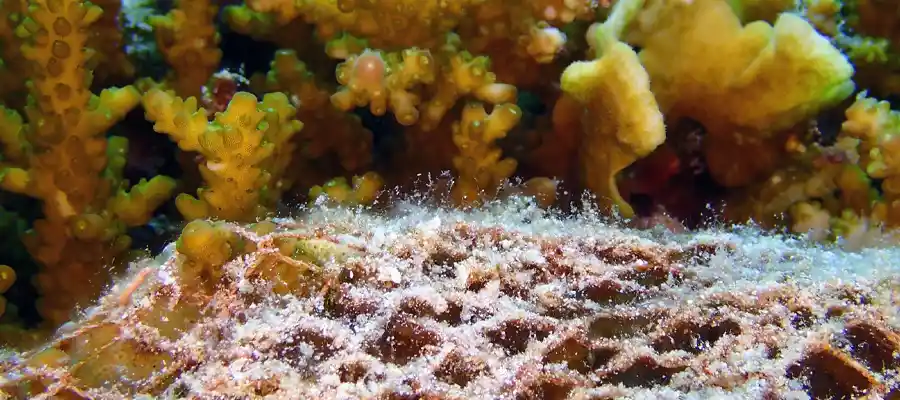
Overfishing disrupts the natural balance of coral reef ecosystems by removing key species that control algae growth and maintain reef health.
When herbivorous fish populations decline, algae can quickly overtake corals, blocking sunlight and reducing coral growth. This chain reaction shows why the importance of coral reefs extends beyond individual species and into the entire marine food web.
Careless Tourism and Its Impact on Coral Reefs
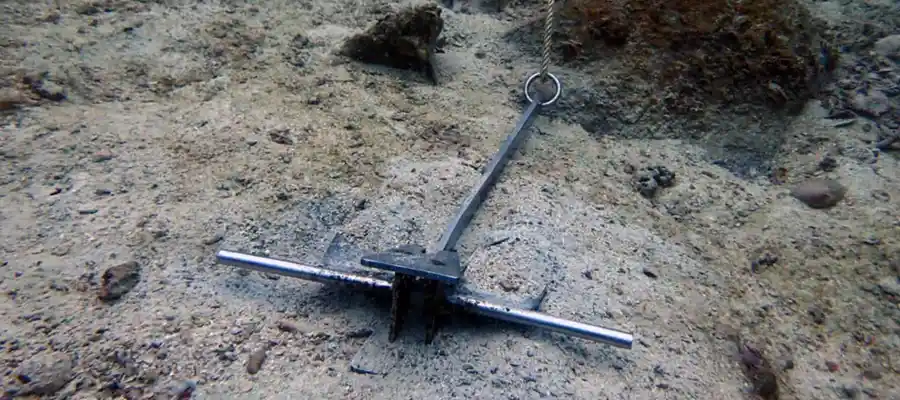
Careless tourism plays a significant role in coral reef degradation. Touching coral, standing on reefs, dropping anchors, and poor buoyancy control all cause physical damage to coral colonies.
Understanding the importance of coral helps divers, snorkellers, and boat operators make better choices that reduce their impact and support long-term reef protection.
Pollution and Coral Reef Decline
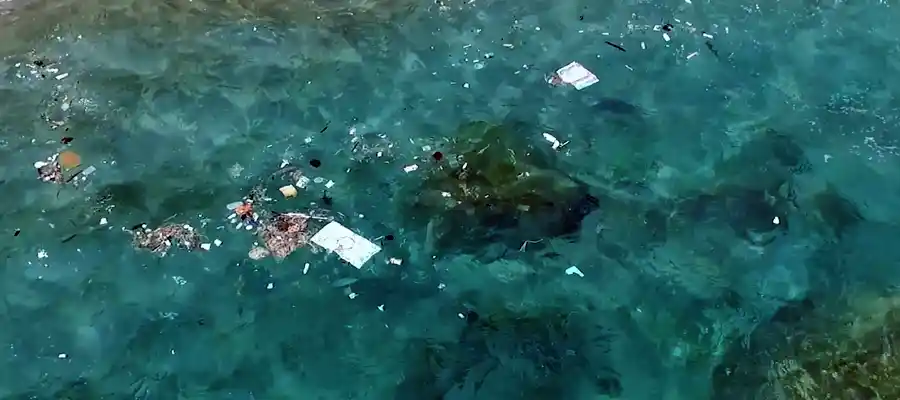
Pollution from sewage, chemicals, agricultural runoff, and plastic waste continues to threaten coral reef ecosystems. These pollutants reduce water quality and promote algae growth, which competes directly with coral for space and sunlight.
Protecting reefs from pollution is a critical part of coral reef conservation and essential to preserving healthy reef systems. Alongside climate change, pollution is a major contributor to the growing list of global threats to coral reefs.
Sedimentation and Coral Reef Survival
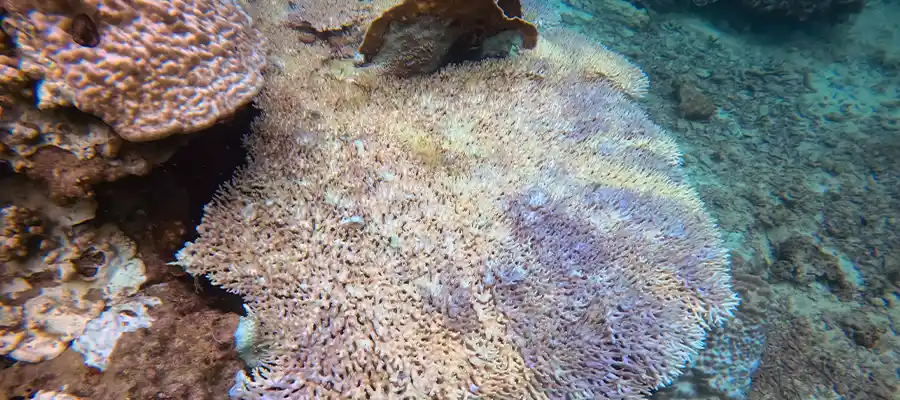
Sedimentation caused by mining, logging, farming, and coastal construction increases runoff into the ocean, smothering corals and blocking the light they need to survive.
Mangrove forests normally act as natural barriers, and their destruction worsens sedimentation problems. This further highlights the importance of coral reef ecosystems being protected both on land and underwater.
Coral Mining and Reef Destruction
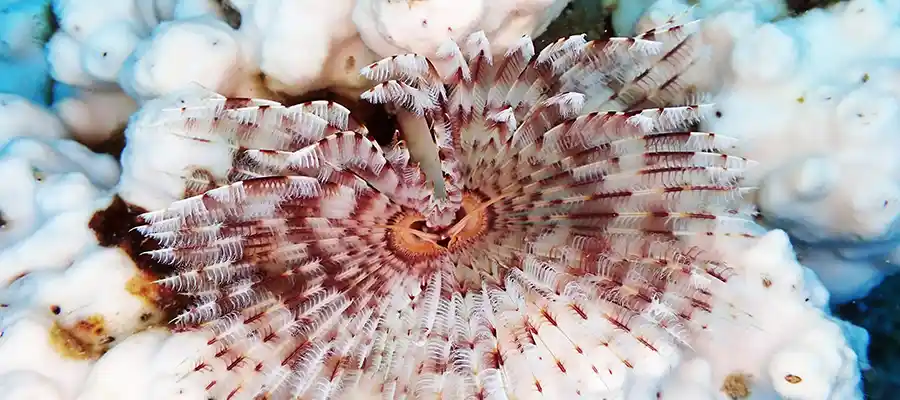
In some regions, coral is mined for construction materials or sold as souvenirs. Removing coral from reefs not only destroys habitat but also weakens the reef structure itself.
These practices undermine coral reef conservation efforts and reduce the long-term resilience of coral reef ecosystems.

How You Can Help Protect Coral Reefs in Koh Tao
Protecting coral reefs in Koh Tao starts with small, conscious actions that add up to meaningful change. As one of Thailand’s most popular dive destinations, Koh Tao welcomes millions of visitors each year, placing enormous pressure on local coral reef ecosystems.
Divers and snorkellers are uniquely positioned to make a difference. By understanding the importance of coral reefs and choosing responsible behaviours both underwater and on land, visitors can actively support coral reef conservation rather than unintentionally contributing to reef damage. Many divers participate in dive site clean-ups, which directly address the most common threats to coral reefs, including climate change, pollution, and physical reef damage
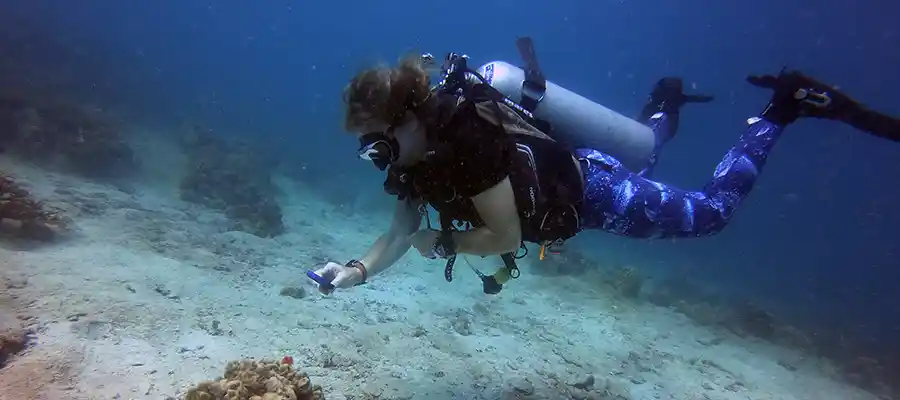
Why Good Diving Skills Help Protect Coral Reefs
Good buoyancy control is one of the simplest ways divers can support coral reef conservation. Even light contact can damage coral that has taken years to grow.
Improving buoyancy control not only protects coral reef ecosystems but also makes diving safer, more relaxed, and more enjoyable overall.
Perfect your buoyancy by signing up for a Perfect Buoyancy specialty course at Crystal Dive.
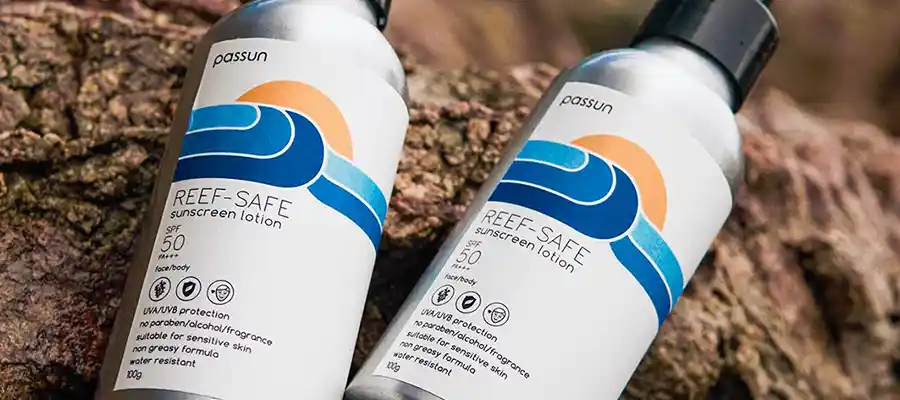
Sunscreen, Coral Reefs, and Reef-Safe Alternatives
Many sunscreens contain chemicals that interfere with coral reproduction and photosynthesis, contributing to coral reef decline. These substances can wash off swimmers and snorkellers directly onto reefs.
Wearing rash vests and choosing reef-safe sunscreen alternatives helps reduce chemical stress on coral reef ecosystems and reinforces the importance of coral protection during ocean activities.
Choosing reef-safe sun protection is a simple but effective way to reduce everyday stress on coral reef ecosystems.
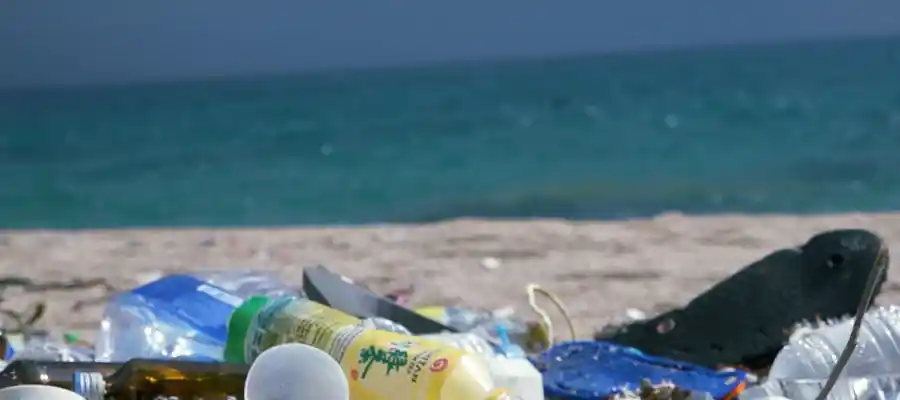
Consumer Choices and Their Impact on Coral Reefs
Everyday consumer choices have a direct impact on coral reef ecosystems. Buying coral jewellery, shells, or unsustainably sourced seafood increases demand that harms reefs.
Understanding the importance of coral reefs encourages responsible purchasing decisions that support reef conservation rather than reef exploitation.
Supporting eco-conscious businesses and conservation-focused dive centres helps ensure coral reef conservation efforts have a lasting impact.
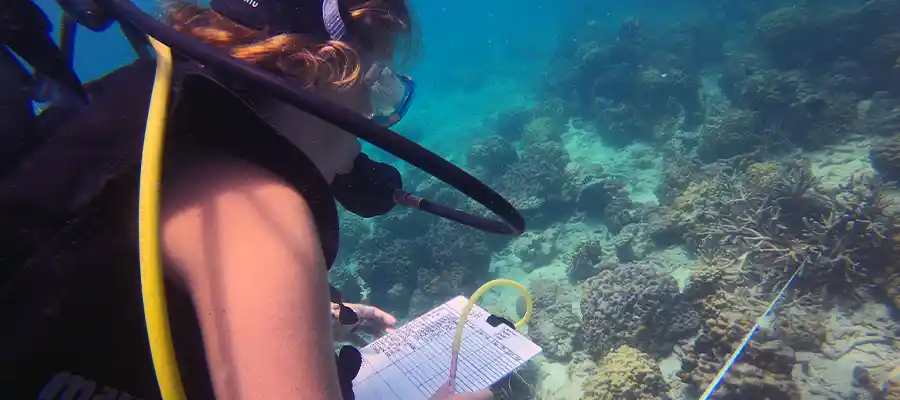
Learn More About Coral Reefs and Coral Reef Conservation
Education is one of the most powerful tools in coral reef conservation. Learning how coral reef ecosystems function helps divers and ocean users understand why reefs are so vulnerable and why protection efforts matter.
At Crystal Dive, with the assistance of our partner, The Coral Tribe, our ecological specialty courses, such as Marine Ecology and Coral Identification, give divers the knowledge and skills needed to actively support coral reef conservation and advocate for reef protection worldwide.