Understanding Dehydration While Scuba Diving: What Divers Need to Know
As scuba divers, we spend plenty of time preparing our equipment, checking dive plans, and reviewing site conditions, but hydration is one of the most overlooked parts of safe diving. Dehydration while scuba diving can affect everything from your comfort to your safety, and it plays a bigger role in dive physiology than many divers realise.
This guide covers the effects of dehydration on divers, how to recognise the risks, and what you can do to stay hydrated when diving so that every dive is safe and enjoyable.
What Causes Dehydration While Scuba Diving?
You might think that being surrounded by water means that you can’t get dehydrated, but the opposite is true. Divers can lose fluids much faster than they realize because of a few reasons:
- Breathing dry compressed air
- Increased urination underwater (it’s called immersion diuresis)
- Sweating in warm climates or while wearing thick wetsuits
- Saltwater exposure and sun during surface intervals
- Alcohol, coffee, or energy drinks before a dive
Once dehydrated, your body has to work much harder, which is where dive safety risks begin.
The Effects of Dehydration on Divers
1. Reduced Physical Performance Underwater
Diving often looks effortless, but the truth is that managing equipment, swimming in currents, and maintaining buoyancy uses a lot of energy. When you’re dehydrated, your body can’t regulate its energy production efficiently. This leads to fatigue, lower stamina, less control over your buoyancy, and higher breathing rates. All of this increases gas consumption and makes the dive more tiring than it should be.

2. Impaired Thermal Regulation
Hydration plays a major role in temperature regulation. Because the body loses heat 20–25 times faster in water, divers who are even mildly dehydrated have a harder time maintaining their core body temperature. This can make a diver feel too cold too soon, causing them to shiver and potentially increase their risk of hypothermia.
Even in warm-water locations like Koh Tao, thermoregulation matters for long dive days or repetitive dives.
3. Increased Risk of Decompression Sickness
One of the most serious effects of dehydration on divers is its link to decompression sickness (DCS). Human blood plasma is between 90-92% water, so when you’ve not had enough water, your blood becomes thicker, literally. Thicker blood makes it harder for your body to eliminate nitrogen, and therefore raises a divers risk of getting the bends.
This is why preventing dehydration while diving is considered a core part of managing decompression risk, just like ascending slowly or following your dive computer limits and alarms.

4. Hydration and Cognitive Function
Divers need to stay alert underwater. Mild dehydration can impair concentration, slow your reaction time, and affect decision-making. Because underwater conditions can change quickly, especially in terms of current and visibility, maintaining clear thinking is essential for both safety and enjoyment.
A well-hydrated diver responds more quickly, communicates more easily, and makes better decisions.
Preventing Dehydration While Diving
Pre-Dive Hydration
Good hydration starts long before you board the dive boat. Begin drinking water steadily the day before your dive, aiming for consistent intake rather than chugging a large volume at once. This allows your body to absorb and use the fluids properly.
During the Dive Day
On the boat, make a point of sipping water between dives instead of waiting until you feel thirsty. In hot climates or when doing several dives in a row, electrolyte drinks can be helpful for replacing minerals lost through sweat. Small, steady hydration throughout the day will keep your energy levels more stable and support better gas elimination.
What to Avoid
Try to limit alcohol or large amounts of caffeine before diving, as both contribute to dehydration while scuba diving. Even one strong coffee on an empty stomach can have more impact than you think. Save celebratory drinks for after you’re done diving for the day.
Post-Dive Rehydration
After your final dive, give your body the fluids it needs to recover. Water, electrolyte drinks, coconut water, and water-rich fruits all help replenish fluids and support off-gassing. This is especially important after deep dives, long dives, or multiple dives in a day.

How to Stay Hydrated When Diving: Practical Tips
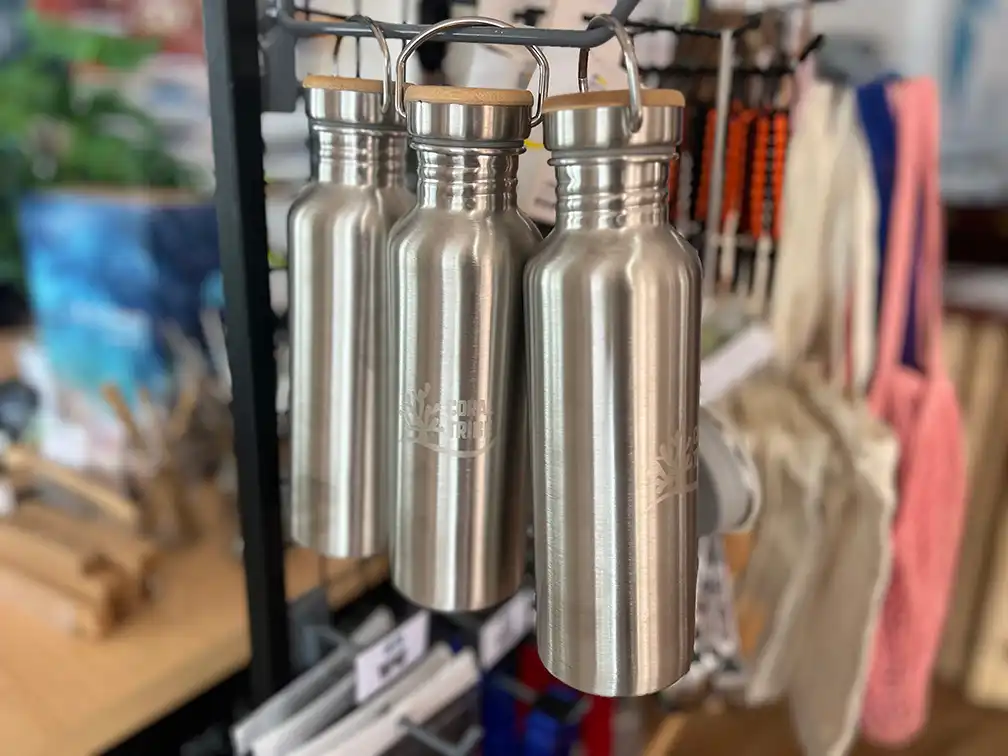
Hydration doesn’t have to be complicated. Bring a reusable water bottle with you to the dive centre and refill it throughout the day. Drink a glass of water before each dive and again once you’re back on the boat. If you sweat heavily in your wetsuit or you’re diving in direct sun all day, consider using electrolyte tablets. And most importantly, don’t avoid drinking simply because you don’t want to pee in your wetsuit — everyone does, and it’s part of normal diving life.
Why Prioritising Hydration Makes You a Safer Diver
Understanding dehydration while scuba diving helps you recognise that hydration isn’t just about comfort — it’s a foundational part of safe diving. By staying hydrated, you reduce fatigue, maintain better buoyancy control, improve cognitive clarity, regulate body temperature more effectively, and support your body’s ability to eliminate nitrogen after every dive.
Put simply, a hydrated diver is a safer, calmer, and more comfortable diver. Drink well, dive well, and give your body the support it needs to enjoy the underwater world to its fullest.