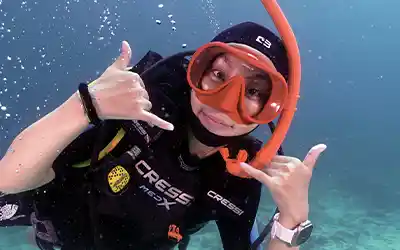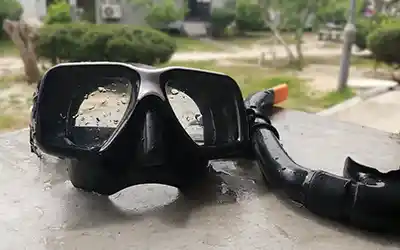
If you’re learning to dive or planning your first underwater adventures, knowing how to fit a scuba mask properly can make or break your experience. A poorly fitting mask leads to leaks, fogging, pressure points, and constant frustration, all things that distract you from what diving is really about: enjoying the underwater world.
At Crystal Dive Koh Tao, we see mask mishaps every day. From straps cranked so tight they leave marks, to “broken” masks that are really just a fit issue, most problems are easy to fix with the right knowledge. That’s why we’ve put together this practical scuba mask fitting guide, packed with straightforward scuba diving mask tips that actually work.
Whether you’re getting ready for your first Open Water course, upgrading your gear, or simply trying to choose the best scuba mask for beginners, this guide will help you understand what to look for, what to avoid, and how to get a comfortable, leak-free fit before you even get in the water.
Scuba Diving Mask Tips: The Do’s of Fitting a Scuba Mask
Getting the basics right is the easiest way to avoid leaks and discomfort. These scuba diving mask tips will help you understand how to fit a scuba mask properly before you even get in the water.
Check the Seal
Place the mask gently on your face without using the strap and lean your head back. A well-fitting mask should seal naturally to your face shape without gaps and without breathing in. If it only sticks when you inhale, it’s not the right fit.
Adjust the Strap for Comfort
The strap should be snug, not tight. Over-tightening actually causes leaks by warping the mask skirt. Make sure the strap sits high on the back of your head and is adjusted evenly on both sides.
Ensure the Lens Position
The mask should sit comfortably just above the bridge of your nose. If it presses on your brow or eyes on the surface, that pressure will increase underwater and quickly become uncomfortable.
Consider the Skirt Material
High-quality silicone skirts provide the best seal and comfort. Silicone is durable, flexible, and adapts well to different face shapes, making it ideal for beginner divers.
Try Before You Buy
Every face is different. Trying on multiple masks is the best way to find the best scuba mask for beginners. Buy the one that fits your face comfortably, not the one that looks best on the shelf.

Common Mistakes to Avoid When Fitting a Scuba Mask
Many mask problems come from small, easily avoided mistakes when learning how to fit a scuba mask, especially for new divers.
Don’t Over-Tighten the Strap
A tight strap doesn’t mean a better seal. It usually means more leaks, pressure marks, and discomfort. A properly fitted mask seals because of the skirt, not the strap tension.
Don’t Choose a Mask Based on Price Alone
Budget matters, but comfort and fit matter more. The cheapest mask that fits you well is a great choice, but the most expensive mask that doesn’t fit will ruin your dive.
Don’t Compromise on Visibility
Clear, distortion-free lenses are essential. Make sure the mask offers a comfortable field of view and doesn’t feel claustrophobic when worn.
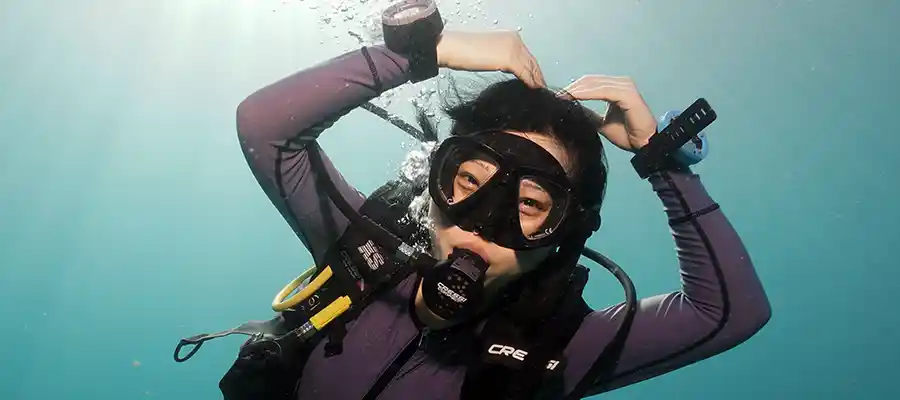
Choosing the Right Scuba Mask: What to Look For Before You Buy
Understanding mask features makes choosing the right scuba mask much easier, especially when you’re standing in a dive shop with dozens of options.
Low-Volume vs High-Volume Masks
Low-volume masks are easier to clear and popular with freedivers and those with smaller faces. High-volume masks offer more space and comfort for some divers. It’s a personal preference.
Single Lens vs Dual Lens
Single-lens masks provide a wide, open view. Dual-lens masks allow for prescription lenses, making them ideal for divers who need vision correction.
Black, Coloured, or Clear Skirts
Clear skirts let in more light and feel open. Black skirts reduce glare and help some divers focus better underwater. Coloured skirts are purely a personal style. Choose what feels good to you.
Frame and Strap Design
Look for durable frames and adjustable straps. Split straps can improve comfort and stability, especially on longer dives.
Mask Size
A mask should fully seal around your eyes and nose without gaps. If it’s too large or too small, leaks are almost guaranteed.
Why Proper Scuba Mask Fit Matters for Beginner Divers
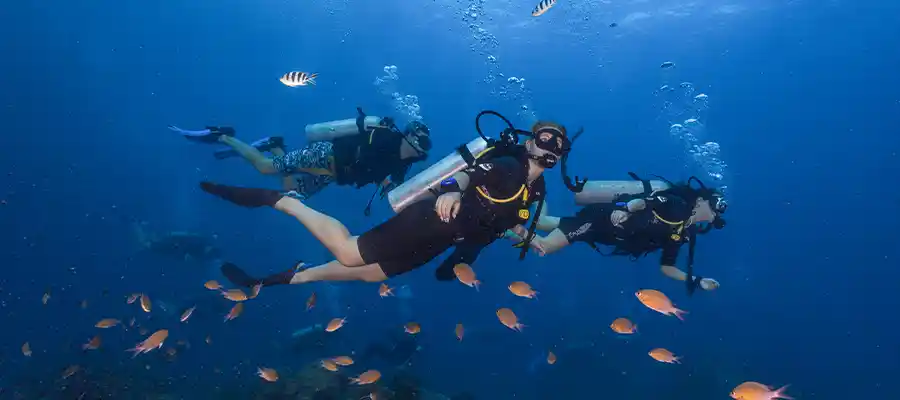
Learning how to fit a scuba mask correctly is one of the first skills taught in entry-level dive training, and for good reason. A poorly fitting mask distracts you, increases stress, and makes basic skills harder than they need to be.
During an Open Water Diver course, mask fitting, clearing, and comfort are taught step by step so new divers feel confident and relaxed underwater. Having the right mask from the start makes learning easier, safer, and far more enjoyable.
If you’re training or planning to start your course in Koh Tao, getting expert advice on mask fit before you dive can make a huge difference to your overall experience.
Final Bubbles: Scuba Mask Fitting Tips to Remember
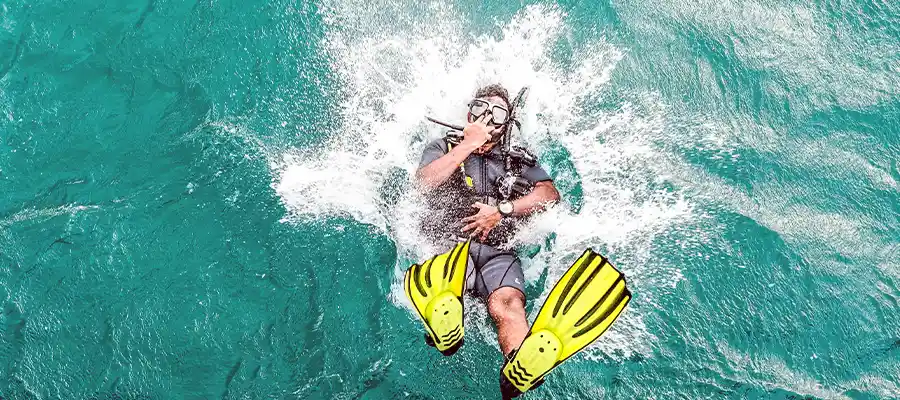
Your scuba mask is your window to the underwater world. When you know how to fit a scuba mask properly, you’ll barely notice it’s there. Get it wrong, and every dive becomes a battle with leaks and discomfort.
By following these scuba diving mask tips, taking the time to try different options, and understanding what works for your face, you’ll find a mask that feels comfortable, seals properly, and lets you focus on the fun part. Scuba diving!
If you’re unsure, pop into Crystal Dive in Koh Tao. We’re always happy to help you find the mask that fits you best and sets you up for great dives from day one.