Suncream and scuba diving have gone hand in hand for decades. Whether you’re spending your day on a dive boat, completing a scuba diving course in the tropical sunshine of Koh Tao, or exploring some of the world’s most remote reefs, protecting your skin from the sun is an important part of every diver’s routine. But sun protection for divers hasn’t always looked the way it does today. From the earliest sun protection products to modern reef friendly sunscreen and UV-protective clothing, the way divers protect themselves from the sun has evolved dramatically over the years. What was considered the best sunscreen for scuba diving twenty years ago might not be the first choice for divers today.
Suncream and Scuba Diving: A Sometimes Difficult Relationship
Love it or hate it, sunscreen has long been one of the most effective forms of sun protection for divers. Whether it comes in the form of a lotion, spray, gel, or stick, sunscreen works by absorbing or reflecting some of the sun’s ultraviolet (UV) radiation, helping to reduce the risk of sunburns and long-term skin damage.
For anyone spending hours on a dive boat or completing a scuba diving course in a tropical destination like Koh Tao, sunscreen quickly becomes an essential part of the daily routine. However, as awareness of marine conservation has grown, the relationship between suncream and scuba diving has become more complex. Divers today are not only looking for protection from the sun but also considering how their choice of sunscreen may affect the underwater environments they gear up to explore.

SPF Numbers and Choosing the Best Sunscreen for Scuba Diving
One of the first things you’ll notice when shopping for sunscreen is the SPF rating. The SPF, or Sun Protection Factor, measures how effectively a sunscreen protects your skin from the UVB rays primarily responsible for sunburn.
For example, an SPF 15 sunscreen allows only a fraction of the sun’s burning radiation to reach the skin when applied correctly. Generally speaking, the higher the SPF number, the greater the level of protection provided. Many modern sunscreens also include protection against UVA rays, which are associated with premature skin ageing and long-term skin damage.
Understanding SPF ratings is an important step when choosing the best sunscreen for scuba diving, especially if you’ll be spending long periods of time on a dive boat between dives.
The Evolution of Sun Protection for Divers
Sunscreen has come a long way from the thick white zinc creams worn by lifeguards and beachgoers in the early 20th century. The story of suncream and scuba diving is closely linked to these advances in sun protection technology, with each generation of products helping divers spend more time safely enjoying the ocean. While today’s divers can choose from a wide range of lightweight, water-resistant products, the basic goal remains the same: protecting skin from harmful ultraviolet (UV) radiation.
The earliest forms of modern sunscreen appeared in the 1930s and 1940s, when researchers and entrepreneurs began developing products designed to prevent sunburn. At the time, most formulas focused on allowing people to tan while reducing the risk of burning, reflecting the growing popularity of outdoor recreation and beach holidays.
As travel became more accessible in the decades that followed, sunscreen technology advanced rapidly. By the 1970s, manufacturers had begun using Sun Protection Factor (SPF) ratings to help consumers compare products. The 1980s and 1990s saw major improvements in broad-spectrum protection against both UVA and UVB radiation, helping people spend more time outdoors with reduced risk of sun damage. These innovations laid the foundation for the modern sun protection for divers that we rely on today, from water-resistant formulas to broad-spectrum products designed for long days on the water.
Why Water-Resistant Sunscreen Matters for Divers
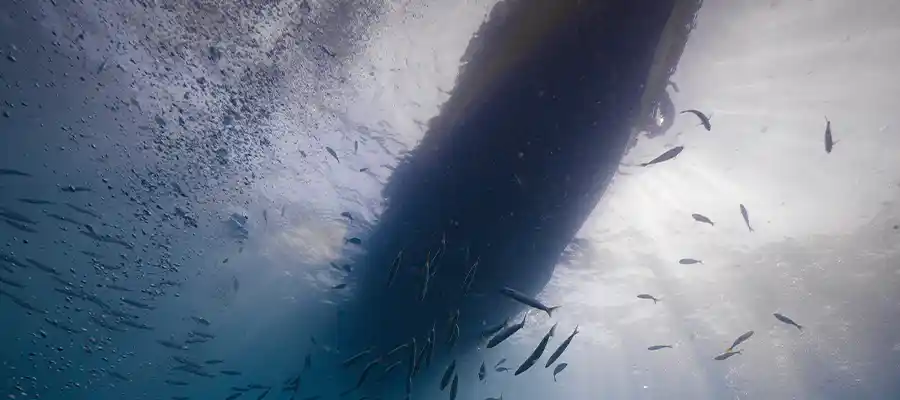
The rise of water-resistant sunscreen was particularly important for swimmers, surfers, snorkellers, and scuba divers. Before these formulations became widely available, sunscreen often washed off quickly when exposed to water or sweat.
For divers, sun exposure often occurs before and after a dive rather than underwater. Long boat rides, surface intervals, equipment setup, and time spent relaxing on deck can add up to several hours in direct tropical sunlight. Modern sun protection for divers is designed to remain effective despite heat, humidity, spray, and repeated contact with seawater.
Today’s best sunscreens for scuba diving typically combine broad-spectrum protection with water resistance, helping divers stay protected throughout a day on the boat.
The Rise of Reef Friendly Sunscreen
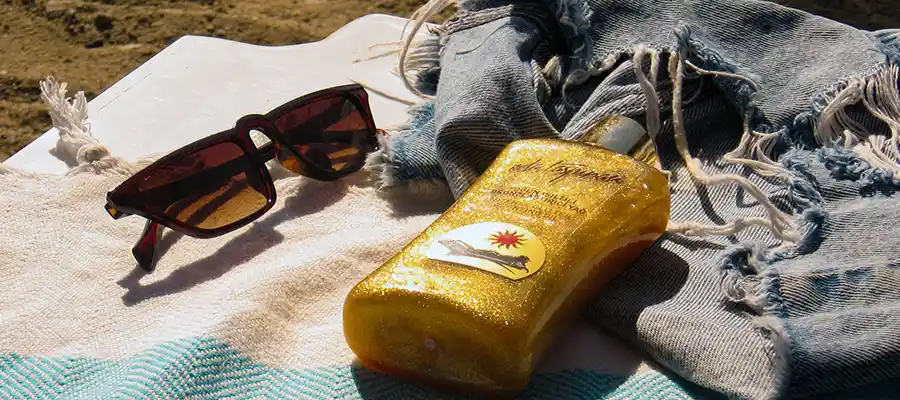
Advances in zinc oxide and titanium dioxide technology during the 2000s helped make mineral sunscreens far more practical to use. These ingredients had long been valued for their ability to physically block UV radiation, but older products were often thick, greasy, and left a noticeable white residue on the skin.
Around the same time, scientists began studying the potential impact of certain sunscreen ingredients on coral reefs and other marine ecosystems. As awareness of these concerns grew, divers and ocean enthusiasts began seeking alternatives that offered effective sun protection while reducing their environmental footprint.
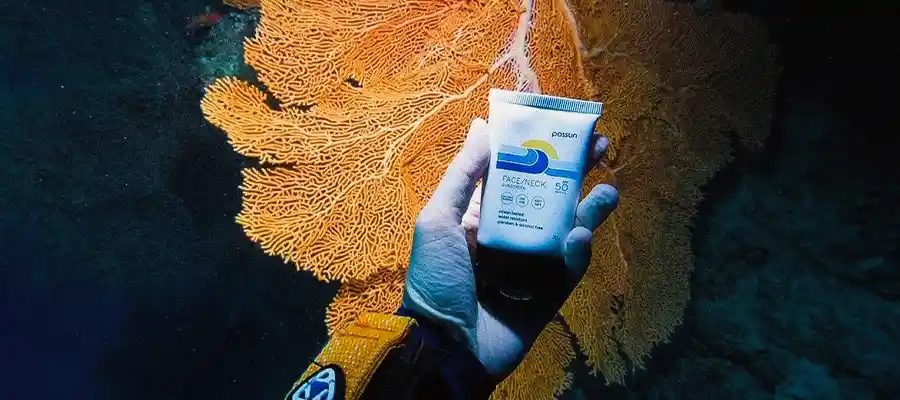
Today, reef friendly sunscreen is widely available and has become a popular choice among divers, snorkellers, and marine conservation advocates. Many products use non-nano zinc oxide or other mineral-based ingredients that provide broad-spectrum protection while avoiding chemicals that have raised environmental concerns. For divers looking to balance effective suncream and scuba diving with environmentally conscious choices, reef friendly sunscreen has become an increasingly popular option.
While research into sunscreen and reef health continues, the movement toward more environmentally conscious products reflects a growing awareness that protecting your skin and protecting the ocean can go hand in hand.

Practical Tips for Suncream and Scuba Diving
Protecting the ocean doesn’t stop at choosing a reef friendly sunscreen. Small changes to a dive routine can help reduce environmental impact while still providing effective sun protection for divers.
- Apply sunscreen before getting on the dive boat. Giving sunscreen time to absorb into your skin can improve its effectiveness and reduce the amount that washes into the sea.
- Choose a reef friendly sunscreen. Many divers prefer mineral-based formulas that avoid ingredients commonly associated with environmental concerns.
- Wear UV-protective clothing. Rash guards, leggings, and other sun-protective garments can reduce the amount of sunscreen needed during a day of diving.
- Seek shade during surface intervals. Spending time under a canopy or shaded area can help limit UV exposure between dives.
- Reapply sunscreen when needed. Even water-resistant products can lose effectiveness after hours in the sun, sweating, or repeated contact with seawater.
Whether you’re completing your first Open Water course or spending a week exploring some of the world’s best dive sites, protecting your skin should be an important part of every dive plan.
Final Thoughts on Suncream and Scuba Diving
The relationship between suncream and scuba diving has evolved significantly over the years. Modern products offer better protection, improved water resistance, and more environmentally conscious formulations than ever before. From understanding SPF ratings to choosing a reef friendly sunscreen, today’s divers have more options available to help them stay safe in the sun.
The best sunscreen for scuba diving is one that provides broad-spectrum protection, remains effective during a day on the water, and fits comfortably into your diving routine. Combined with sensible habits such as wearing UV-protective clothing, seeking shade during surface intervals, and applying sunscreen correctly, it can help reduce the risk of sun damage while supporting responsible diving practices.
At Crystal Dive Koh Tao, we believe that great diving starts with looking after yourself and the ocean around you. Effective sun protection for divers isn’t just about avoiding sunburns. It’s also about developing habits that help protect the marine environments we love to explore.